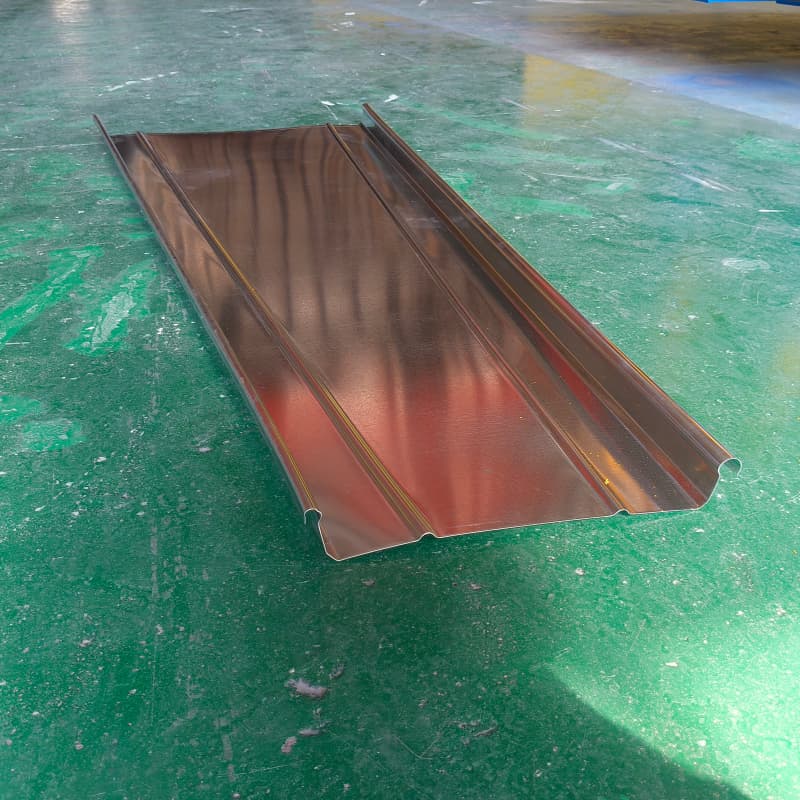
C and Z purlins form part of the secondary steelwork in many steel buildings. Roof purlins support the roof covering between primary frames, while wall girts or side rails support wall cladding. This application update looks at how cold formed steel profiles connect purlin production with practical building requirements.
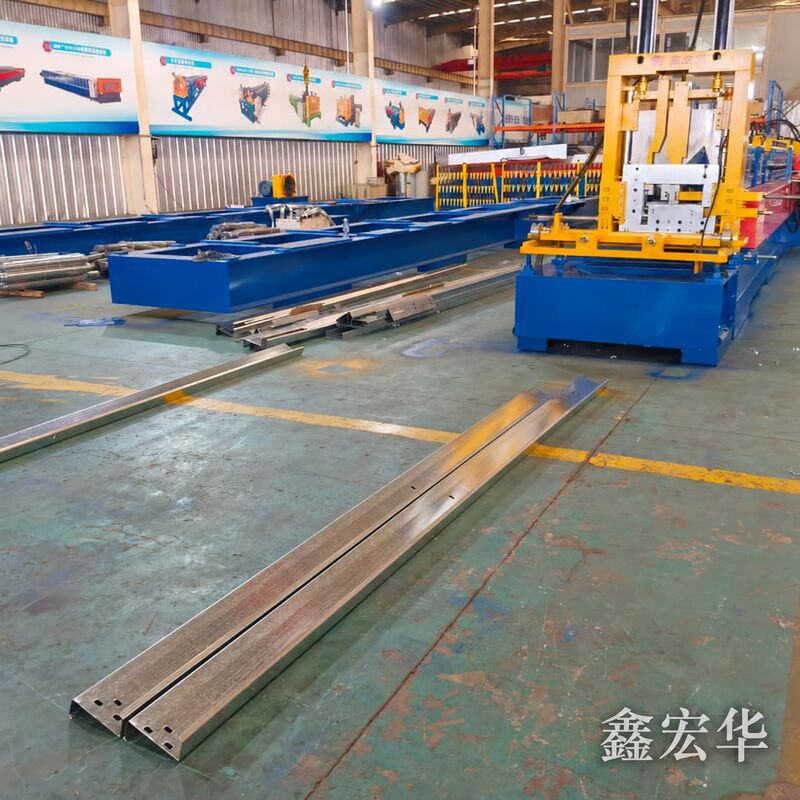
In a typical industrial building, purlins span between the main frames and provide support for the specified roof system. The cladding, purlins, restraints and connections must be considered together. The required profile size, thickness and spacing depend on the engineered design.
Workshops and agricultural buildings also use secondary steel members to support their roof and wall systems. These projects can require different member lengths and hole patterns even when the profile cross-section is similar. Production planning should follow the approved drawings for each order.
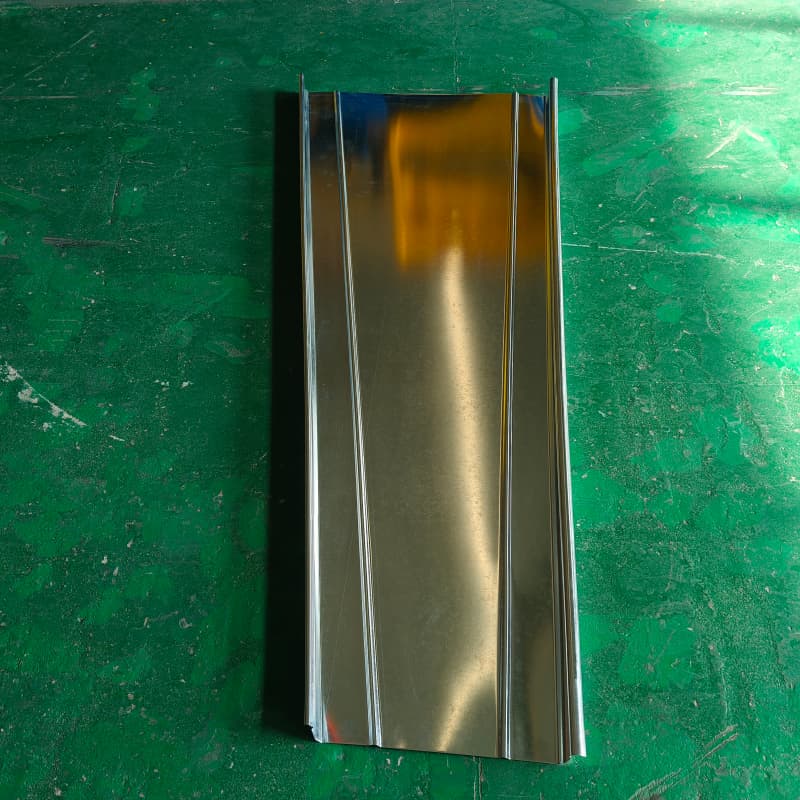
C and Z sections have different geometries and are specified according to the selected structural system. Some Z purlin systems use engineered overlaps at supports. Lap lengths, fasteners and restraint arrangements should follow the relevant system design. A C section should not be substituted for a Z section simply because the web depth is the same.
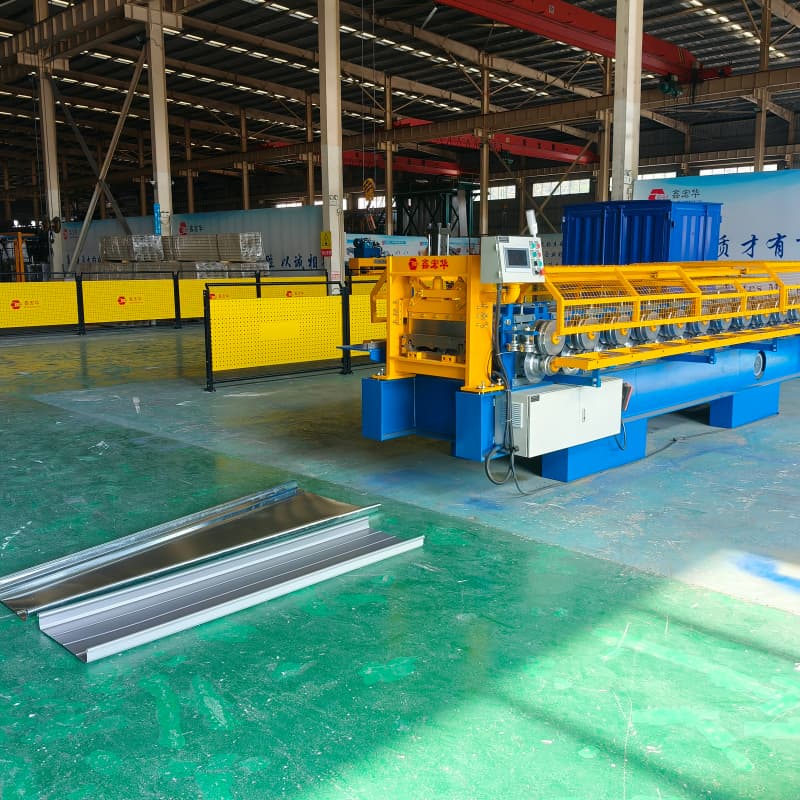
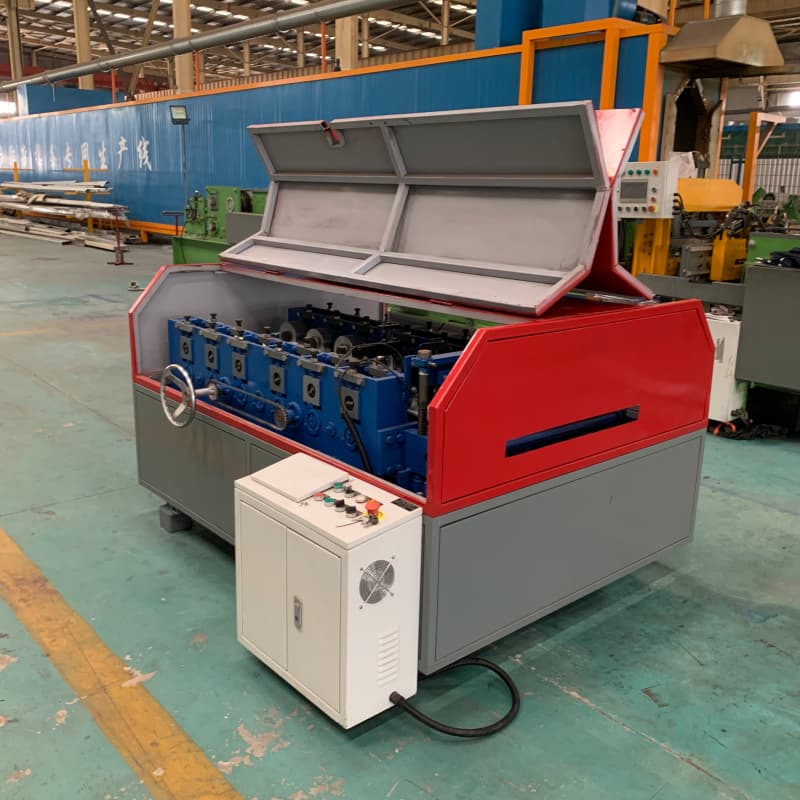
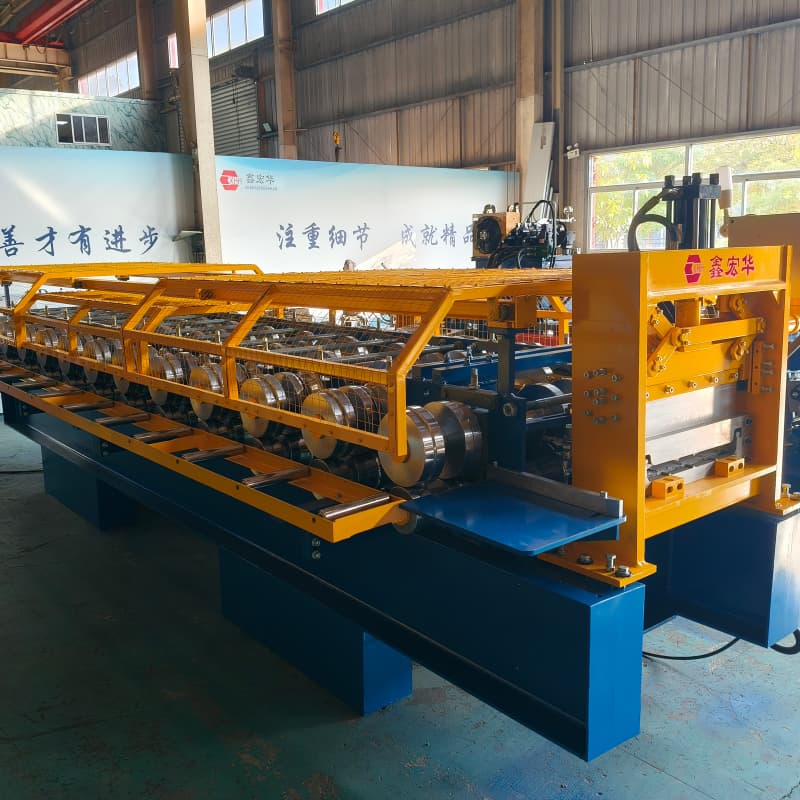
A C/Z purlin roll forming machine converts steel strip into the required profile. Punching and cutting operations help prepare members for their specified connections and lengths. The equipment configuration should be selected around the actual section drawings, material grade and hole requirements.
Xiamen Xinhonghua Machinery supplies roll forming equipment for steel profile manufacturing. Buyers planning purlin production for warehouses, workshops or other steel buildings can provide their profile drawings and material specifications to discuss suitable forming, punching and cutting arrangements.
Related reading: Choosing a C/Z purlin roll forming machine.
 IPv6 network supported.
 +86 13605085003
 sunnie@xhhjx.com