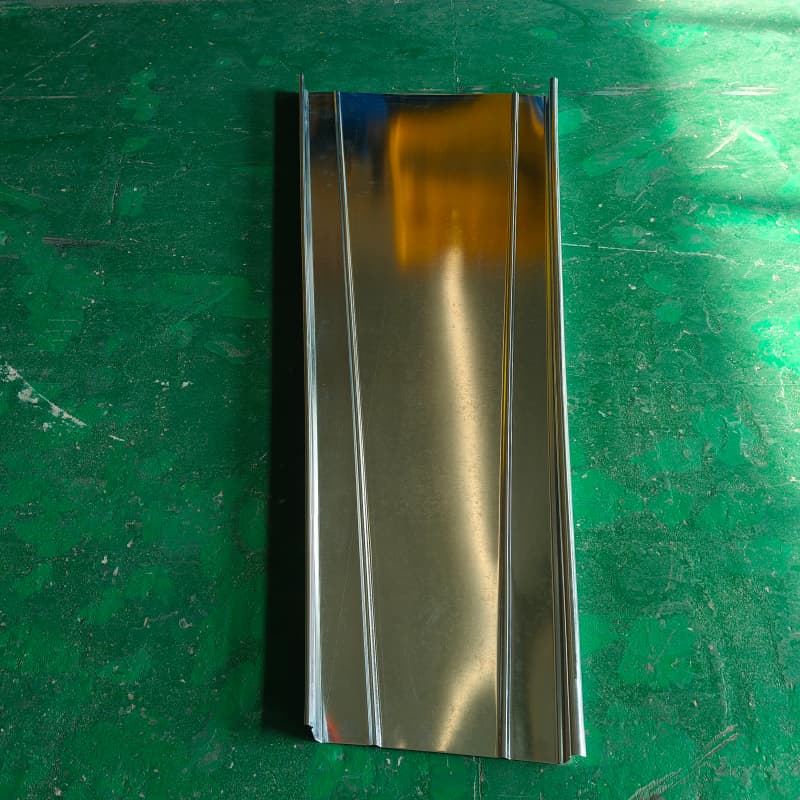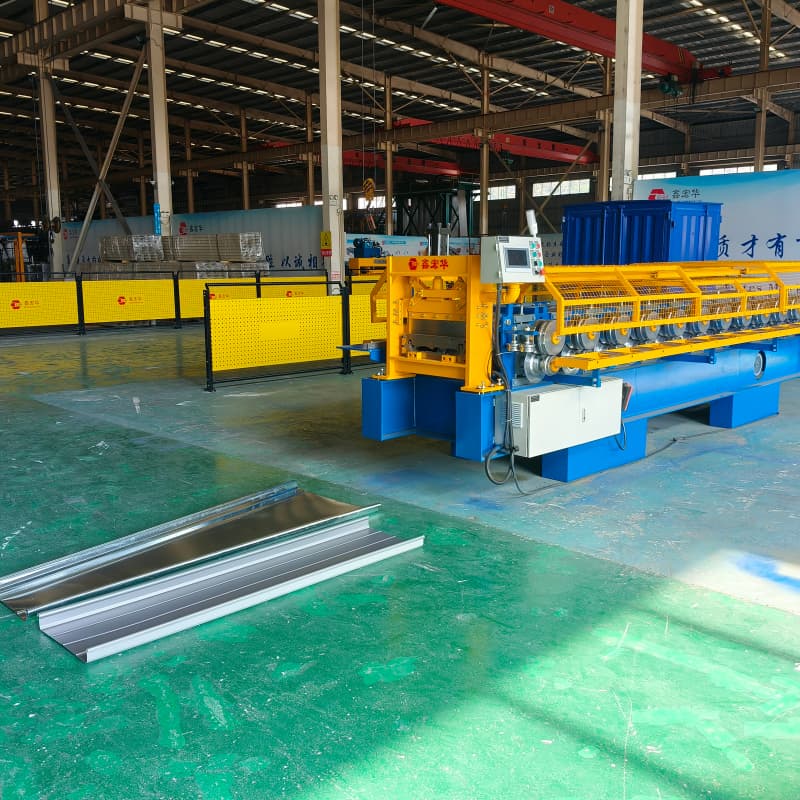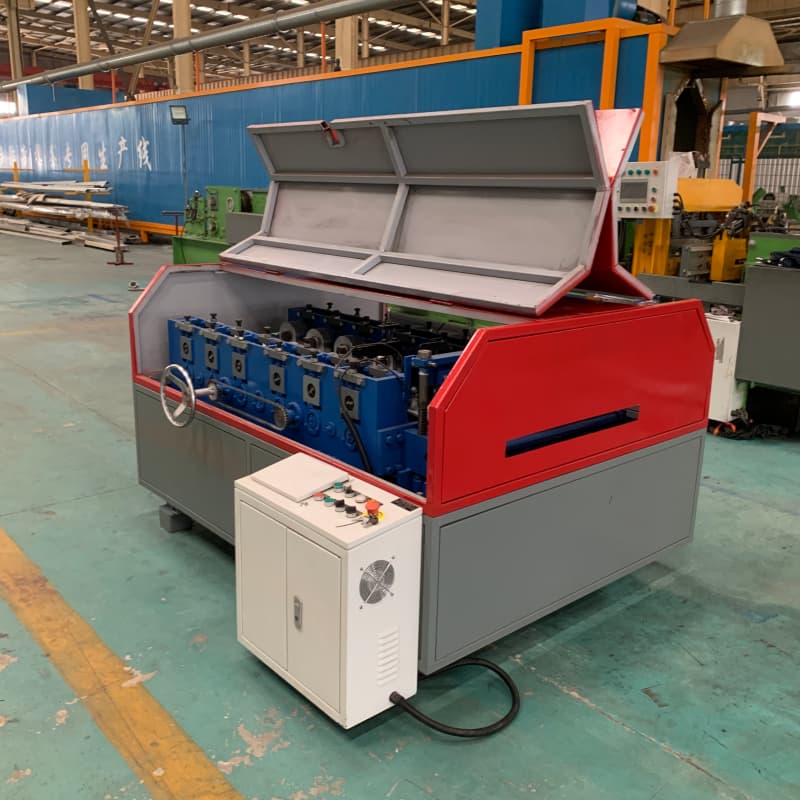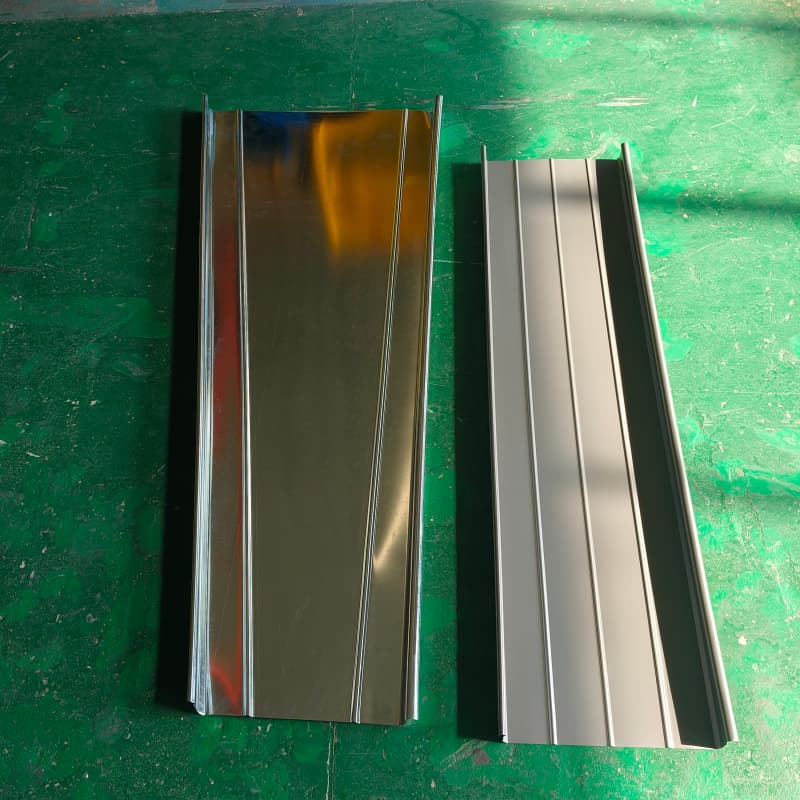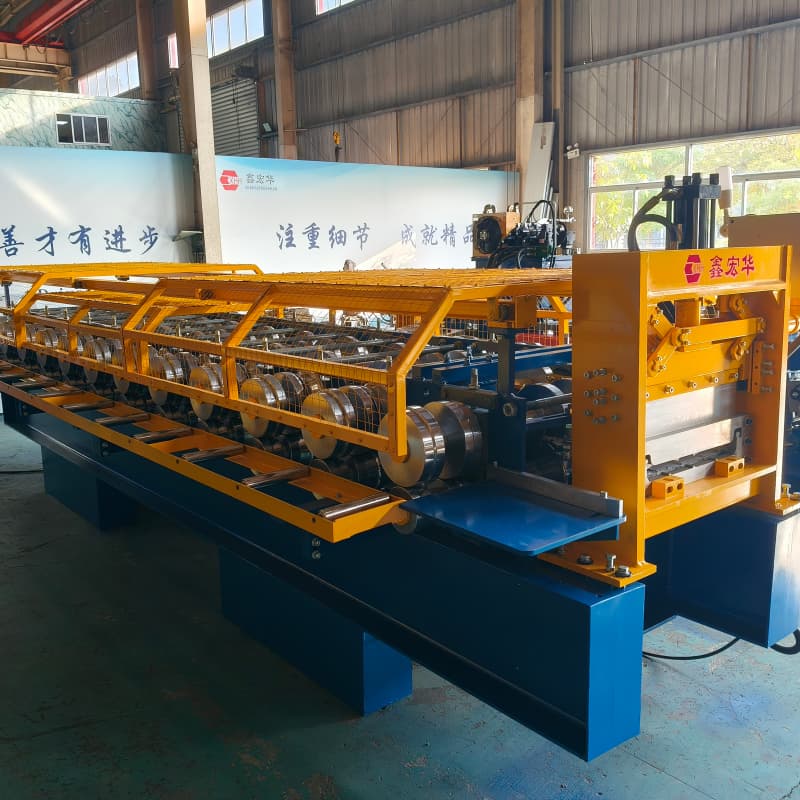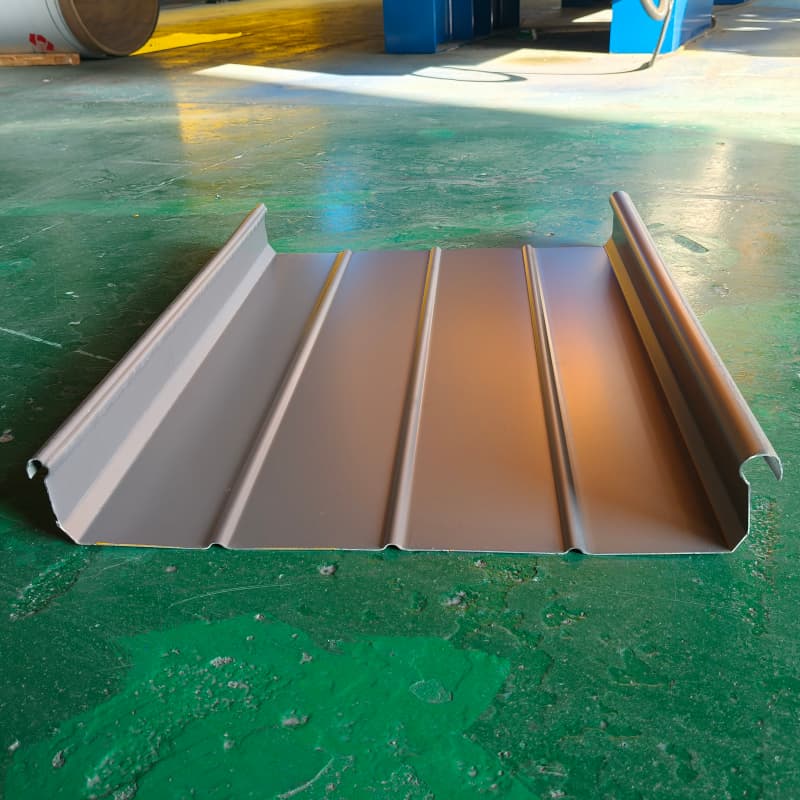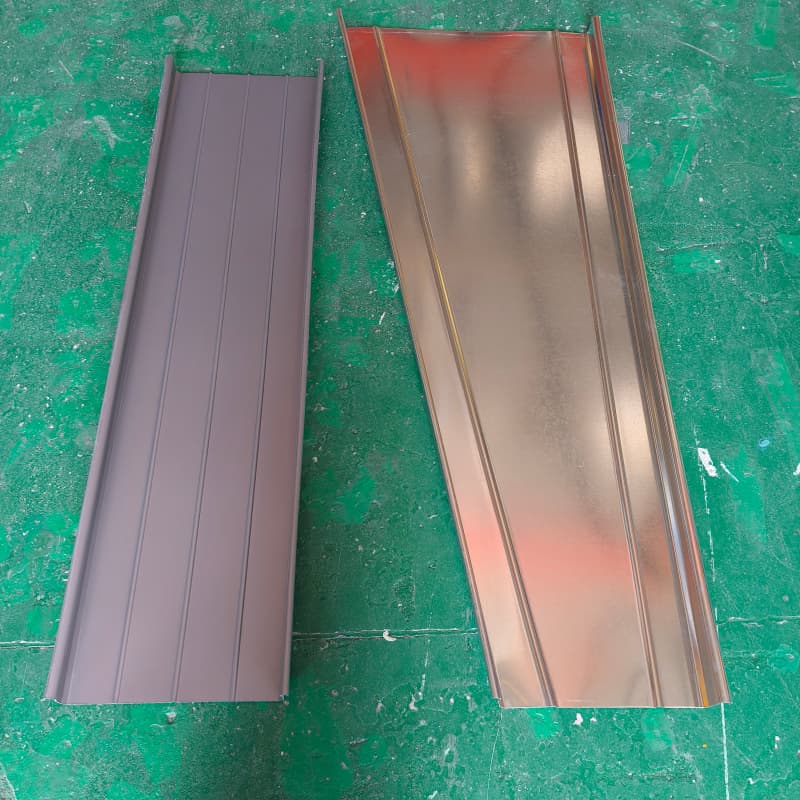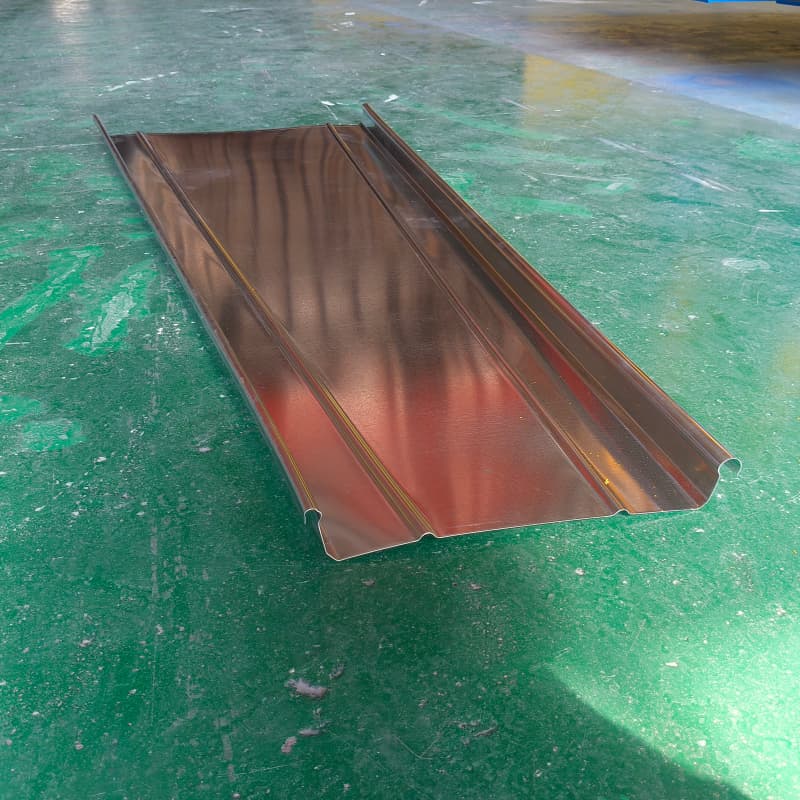
This Xinhonghua equipment spotlight looks at a practical question in steel processing: does the production job require flat sheets, narrow strips or formed profiles? These outputs call for different operations, even when all of them begin with metal coil.
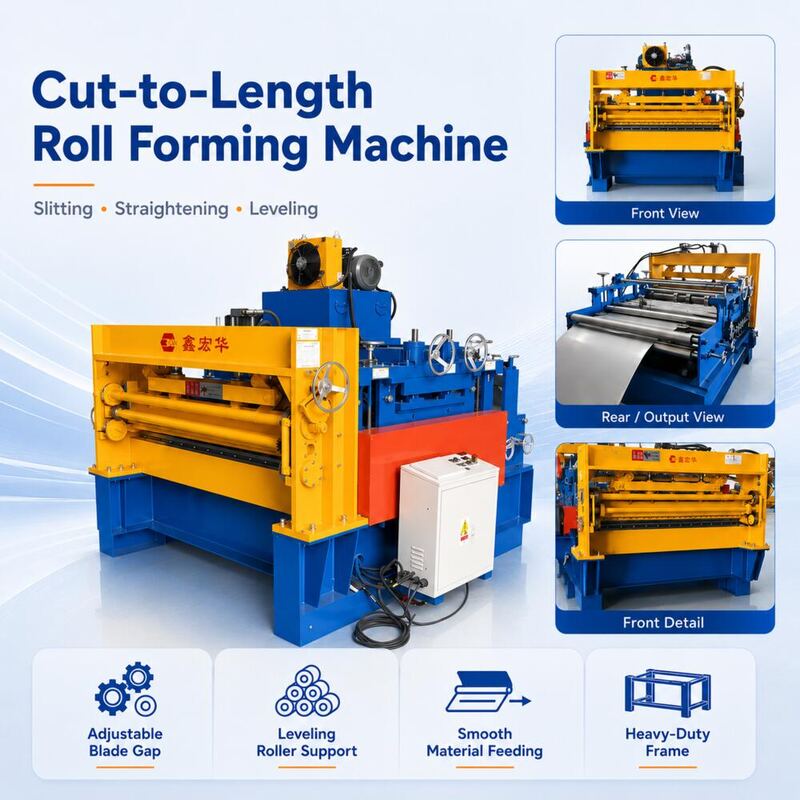
A cut-to-length arrangement feeds coil material, levels it within the equipment's capability and cuts it to the required sheet length. The key discussion concerns the incoming material and the flat blanks needed for the next operation. Buyers should specify material grade, thickness, width, required length range and the acceptance criteria for the finished sheets.
Slitting divides wider material into narrower strips. It is a separate function from cutting across the strip to produce a set length. Whether these functions are combined in a particular machine depends on its configuration. Confirm the required strip arrangement, edge condition and downstream handling instead of relying on a general equipment name.
A roll forming line progressively shapes strip through successive forming stations. Its output may be a roof panel, purlin or another section, depending on the tooling. Profile drawings, material properties, punching requirements and cutting arrangements therefore become central to the machine specification. A flat-sheet processing line does not automatically replace a profile forming line.
For a useful technical enquiry, provide a drawing or sample of the required output and describe what happens to it next. Include the material specification and expected batch sizes. Ask which operations are included in the proposed equipment and which need separate machinery or handling arrangements.
For an example of profile production, see our C/Z purlin dimension and punching guide. Clear output requirements help Xinhonghua and the buyer discuss the appropriate process without confusing flat-sheet preparation with profile manufacturing.
Topics: Cut-to-Length Machine; Steel Coil Leveling; Slitting Equipment; Roll Forming Machine.
 IPv6 network supported.
 +86 13605085003
 sunnie@xhhjx.com